Creative Tips for Keeping Kids’ Art Organized and Clutter-Free
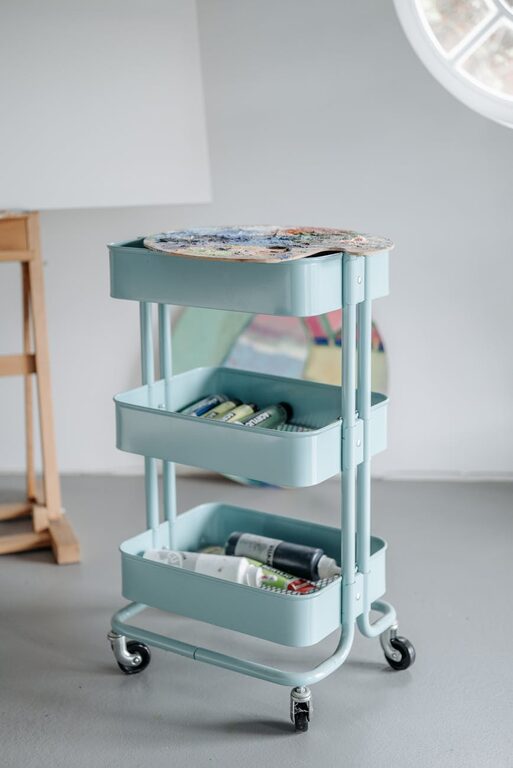
When your child brings home a precious piece of art, it’s natural to want to keep every single creation. However, without a system in place, kids’ artwork can quickly take over drawers, refrigerators, and walls, making your home feel cluttered and chaotic. The good news is that with a few smart strategies, you can preserve your children’s creativity while keeping your space neat and organized. Here are some practical tips for organizing kids’ art that are easy to implement and enjoyable for both you and your little ones.
Why Organizing Kids’ Art Matters
Before diving into tips, it helps to understand why organizing artwork is beneficial:
– Preserves memories: Artwork is a timeline of your child’s development and creativity.
– Reduces clutter: Avoid piles of paper and scattered drawings.
– Teaches kids organization skills: Involving kids in the process encourages responsibility and pride.
– Makes special pieces easy to find: Organized art means no more hunting through stacks.
Create a System for Displaying Artwork
Kids love to show off their creations, so consider dedicating a space to display their newest masterpieces.
Designate a Gallery Wall
– Use corkboards, clipboards, or a wire with clothespins to hang art.
– Rotate the display regularly, such as weekly or monthly.
– Let children choose which pieces to showcase, giving them ownership.
Use Digital Displays
– Scan or photograph artwork and showcase it on a digital photo frame.
– It’s space-saving and a high-tech way to celebrate creativity.
Sort and Categorize Art Regularly
To avoid overwhelming piles, set a routine for sorting new artwork.
Sort by Date or Age
– Use folders or bins labeled by school year or age.
– This helps track progress over time.
Categorize by Type
– Separate artwork by medium: paintings, drawings, crafts, 3D projects.
– Store appropriately for each type (e.g., flat storage for paper, separate boxes for crafts).
Storage Solutions That Work
Once sorted, make sure art is stored safely and accessibly.
Use Clear Plastic Bins with Labels
– Transparent containers let you see contents without opening.
– Label bins with dates or categories for quick reference.
Invest in Large Art Portfolios
– Portfolio books or expandable files work well for flat artwork.
– They protect pieces from damage and fit easily on shelves.
Use a Filing Cabinet or Accordion Folder
– A filing system keeps papers organized and stored vertically.
– Particularly handy if you want to keep lots of drawings neatly separated.
Digitize Artwork for Long-Term Keepsakes
Digitizing artwork preserves memories without occupying physical space.
Photograph or Scan Artworks
– Use a smartphone or scanner to create digital copies.
– For bulk scanning, apps like CamScanner or Google PhotoScan can help.
Create Digital Albums or Slideshows
– Organize digital files by date or theme.
– Use online photo services to make printed books or calendars as gifts.
Share with Family and Friends
– Sending digital copies via email or social media spreads joy and reduces paper piles.
Involve Your Child in the Process
Making organization a team activity encourages your child’s participation.
Make Sorting a Fun Activity
– Set a regular “art review” day.
– Let your child decide which pieces to keep, display, store, or recycle.
Encourage Creativity in Storage
– Decorate storage bins or folders together.
– Label items with your child’s handwriting or drawings.
Repurpose Art Creatively
Instead of storing everything, turn artwork into useful or decorative items.
Create Greeting Cards or Gift Wrap
– Cut or fold drawings into cards for birthdays or holidays.
– Wrap small gifts with painted paper for a personal touch.
Make Art Books or Collages
– Compile smaller pieces into a scrapbook.
– Arrange and glue bits into a collage to display.
Frame and Gift Favorite Pieces
– Select special artworks to frame as keepsakes or gifts for relatives.
Know When to Let Go
It’s okay to recycle some artwork — keeping every single piece isn’t necessary.
– Keep the most meaningful items, such as first drawings or holiday projects.
– For bulkier crafts, take photos before recycling.
– Explain gently to your child why some art can’t be kept forever.
Final Thoughts
Organizing your child’s artwork doesn’t have to be a daunting task. By setting up a system that works for your family, you maintain a clutter-free home and create a cherished record of your child’s artistic journey. Remember to keep it fun and involve your child to make this a positive experience. With these tips, you’ll find a perfect balance between preserving creativity and maintaining order.
Happy organizing!