Simple Ideas for Making Dinner Cleanup Easier and Faster
Cleaning up after dinner can often feel like a chore that drags out the joy of a meal. However, with a few smart strategies, you can make this task quicker and less stressful. Whether you’re cooking for one or managing a family mealtime, these ideas can ease your post-dinner cleanup and help keep your kitchen tidy.
Plan Ahead with Cleanup in Mind
Use Fewer Pots and Pans
When planning your meal, try to choose recipes that use a limited number of cookware items. One-pot dishes, sheet pan meals, or foil packet recipes minimize the amount of washing you’ll need to do.
Prep Ingredients Before Cooking
Organizing and measuring ingredients beforehand in small bowls or containers makes the cooking process smoother and reduces spills and messes that can require extra cleaning later.
Keep Cleaning Tools Handy
Set Up a Cleanup Station
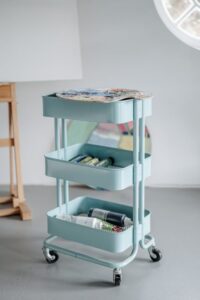
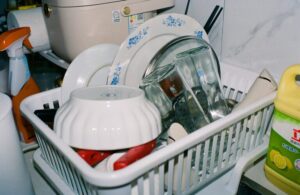
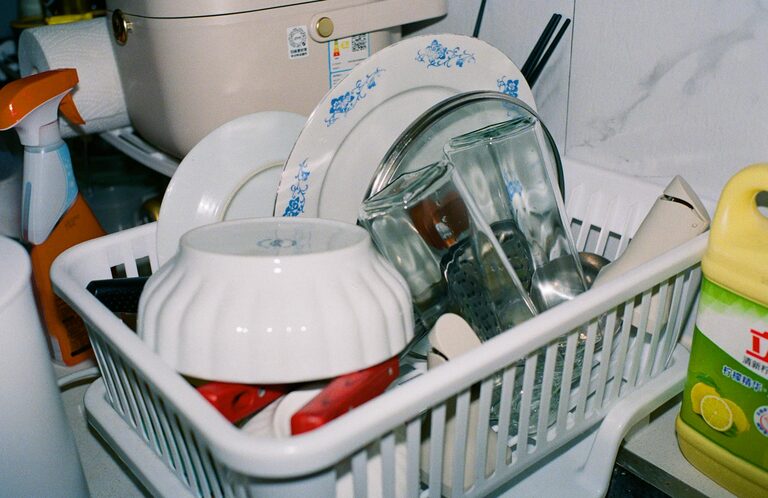
Arrange your dish soap, sponges, dishwasher detergent, and drying rack near the sink. Having these essentials within easy reach encourages the habit of rinsing dishes immediately after use.
Use Disposable or Reusable Cleaning Cloths
Instead of paper towels, consider microfiber cloths that are effective and washable. For quick wipe-downs, disposable wipes can also come in handy but remember to choose eco-friendly options when possible.
Clean as You Go
Wash or Soak While Cooking
Getting into the habit of washing cutting boards or utensils while waiting for food to cook can reduce the pile of dirty dishes post-meal.
Wipe Counters and Stovetop Regularly
Spills and splatters are easier to clean when tackled immediately. Use a damp cloth or sponge to wipe down surfaces once ingredients are transferred or cooking steps are complete.
Use Smart Kitchen Tools
Invest in a Good Dishwasher
If space and budget allow, a dishwasher can significantly reduce time spent at the sink. Load dishes right after dinner to keep them from drying and sticking.
Use Non-Stick Cookware
Non-stick pans cut down on stubborn food residue, making washing pans more straightforward and faster.
Utilize Silicone Baking Mats or Parchment Paper
These liners help prevent food from sticking to pans and baking sheets, eliminating tough scrubbing chores.
Adopt Efficient Dishwashing Techniques
Pre-Rinse with Hot Water
Before washing dishes, rinse off large food pieces with hot water. This helps remove grease and makes soap more effective.
Organize Dishes by Type
Stack plates, bowls, and glasses separately. Wash the cleanest items first and save greasy pots and pans for last to keep your wash water cleaner longer.
Use a Two-Basin Sink or Dishpan
If you don’t have a dishwasher, using one basin for soapy water and another for rinsing helps streamline the washing routine.
Manage Leftovers and Garbage Smartly
Scrape Plates Thoroughly
Use a spatula or paper towel to scrap food scraps from plates into the trash or compost bin before stacking dishes for washing.
Compost or Recycle Where Possible
Sorting food scraps and recyclables separately can minimize waste and simplify garbage disposal later.
Encourage Family Participation
Make Cleanup a Group Activity
Assign simple tasks to others, such as clearing the table, rinsing dishes, or wiping surfaces. Sharing the workload makes the process faster and more enjoyable.
Create a Cleanup Playlist or Timer
Music or a friendly timer can motivate everyone to tidy up together efficiently.
Final Tips for a Cleaner Kitchen
– Avoid Overloading Your Sink or Dishwasher: Clean in smaller batches to maintain effectiveness.
– Regularly Clean Your Cleaning Tools: Sponges and cloths should be sanitized or replaced often to prevent bacteria buildup.
– Use a Lazy Susan or Caddy: Keep cleaning sprays and cloths organized and easy to reach.
—
By integrating these simple habits and tools into your cooking routine, you can turn dinner cleanup into a smooth, stress-free part of your day. The key is to stay organized, clean as you go, and involve others when you can. Happy cooking—and happy cleaning!